
🎨 Creative Chaos & Caffeine ☕️
abril 6, 2026With lowered gaze, I sit by the window, brush in hand. The moment the *Xuan* paper is unrolled, the clamor of carriages and traffic outside fades into the distance.
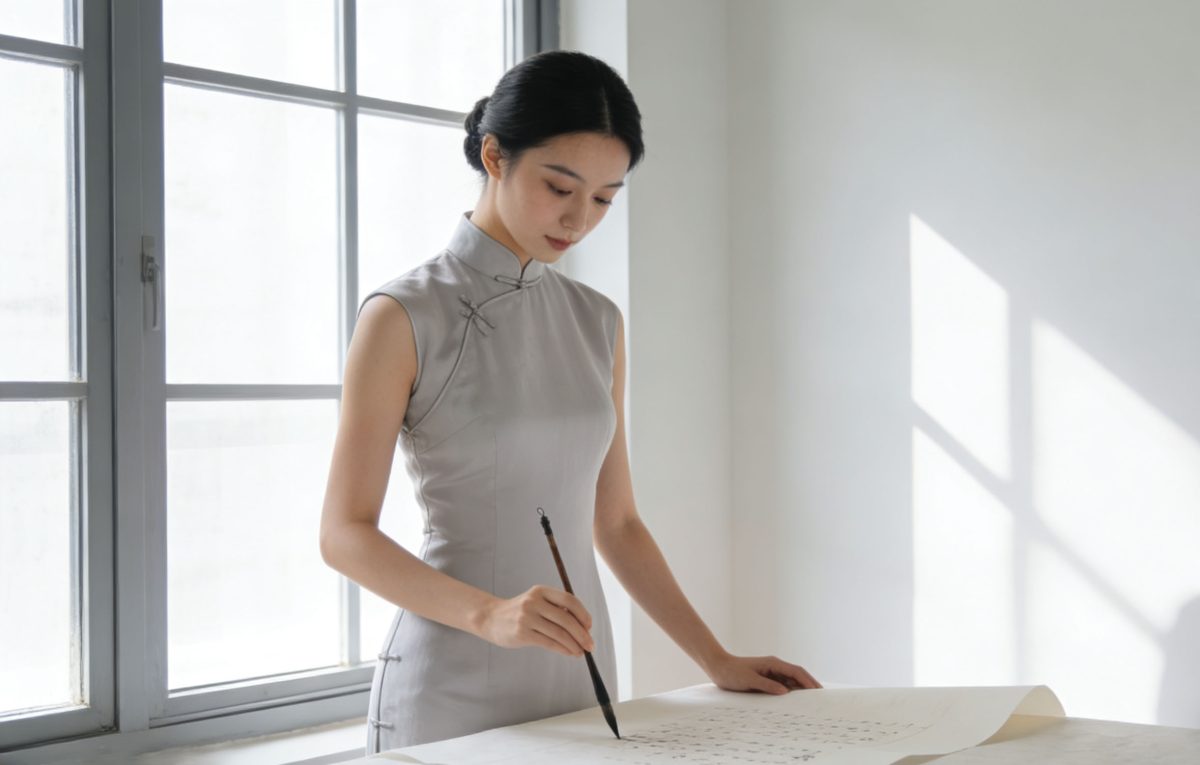
I have been studying painting for over a month now, and my teacher constantly tells me that I am too impatient. The *cun*—or texturing strokes—for rocks and mountains must be built up ink-stroke by ink-stroke; the contours of distant peaks require layer upon layer of diluted ink washes. One cannot rush it, nor can one hurry the process. During those first few days, the ink would invariably bleed into shapeless blots on the paper—the mountains looked nothing like mountains, and the water bore no resemblance to water. Later, I gradually came to understand that traditional Chinese painting places great emphasis on “leaving blank space”—where the clouds and mist drift, there, too, lies a scene; within the ethereal emptiness, there, too, resides emotion.
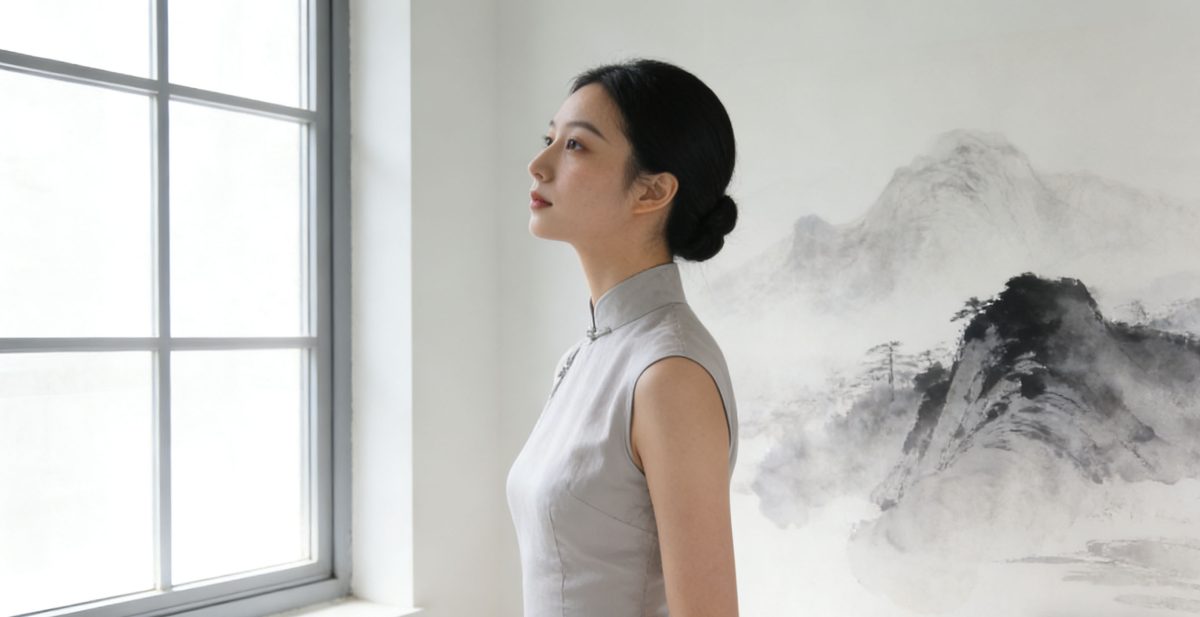
Today, I paint a landscape: dipping my brush in rich, dark ink to outline the skeletal structure of the mountains, then using diluted ink to wash in the misty haze. With each stroke that falls upon the paper, my heart settles into a state of calm. I realize now that painting is not about seeking something from the external world, but rather about finding a sense of inner repose.
My teacher says that, in the end, what one paints is not the form, but the heart. I grasp this concept only vaguely, yet whenever I hold the brush, I can indeed hear the sound of my own breathing.
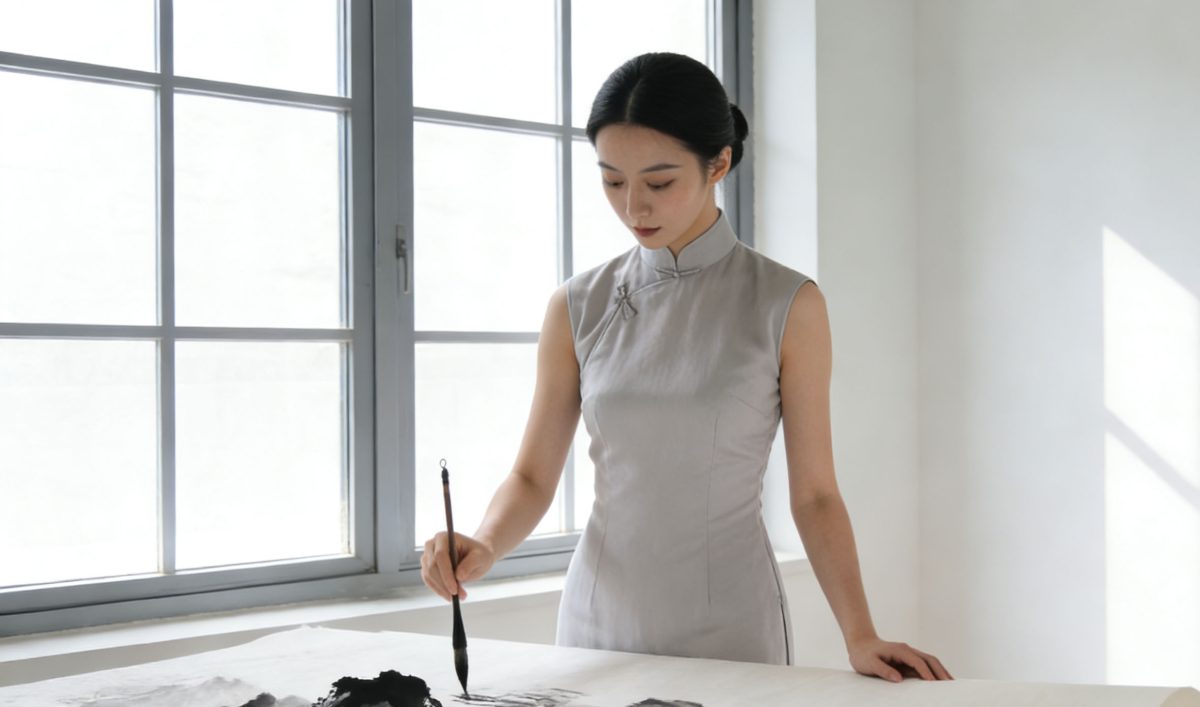
As the ink spreads and blooms, time itself seems to slow down. This, perhaps, is the true magic of traditional Chinese painting—it allows those who live in haste to cultivate a landscape of their own within the sanctuary of their hearts.